How Weather Patterns Affect Your Roof Throughout the Year
Written by seotoggle@gmail.com//
Your roof plays a critical role in protecting your home from the elements, but those same elements can cause wear, damage, and long-term deterioration if not monitored. Weather conditions change dramatically throughout the year, and each season places unique demands on your roofing system. Understanding how weather impacts your roof helps you stay ahead of problems before they turn into costly repairs.
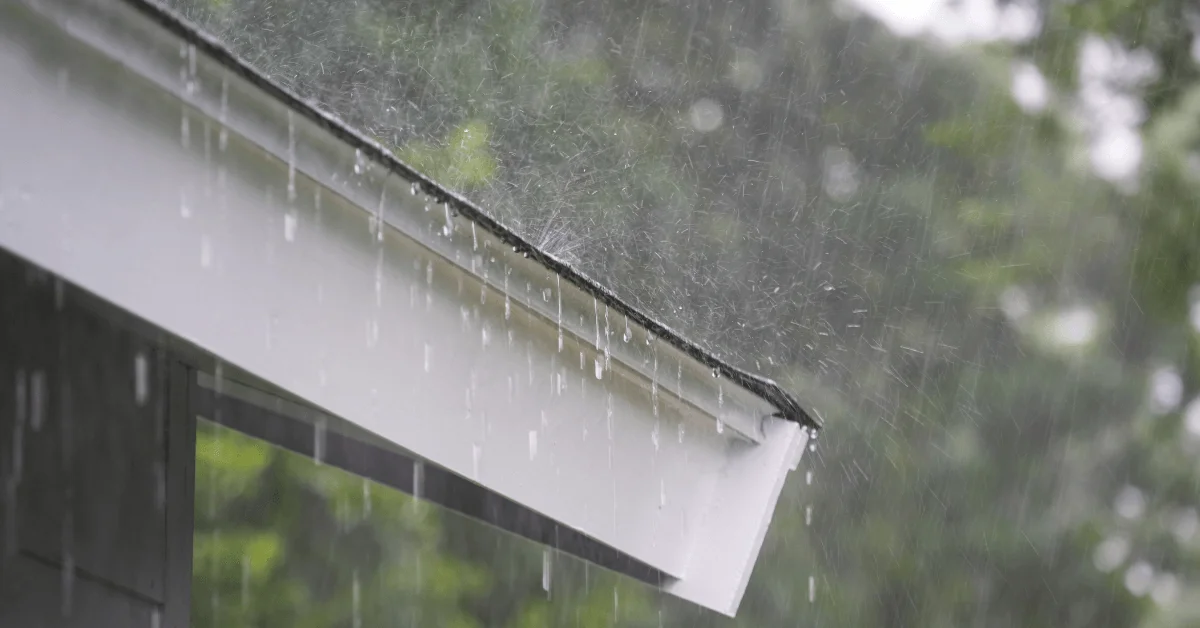
Spring: Rainstorms, Moisture, and Debris Buildup Spring weather often brings heavy rainfall, rising humidity, and strong winds. Excess moisture can seep into small cracks or weakened shingles, leading to leaks or mold growth. High winds can lift shingles, loosen flashing, or deposit branches and debris across your roof. If not addressed, debris can trap moisture and accelerate deterioration.
A spring roof inspection is one of the best ways to identify early-season issues. Removing debris, checking gutters, and examining shingles for winter damage ensure your roof is ready for the year ahead.
SUMMER: HEAT, UV RAYS, AND THERMAL EXPANSION
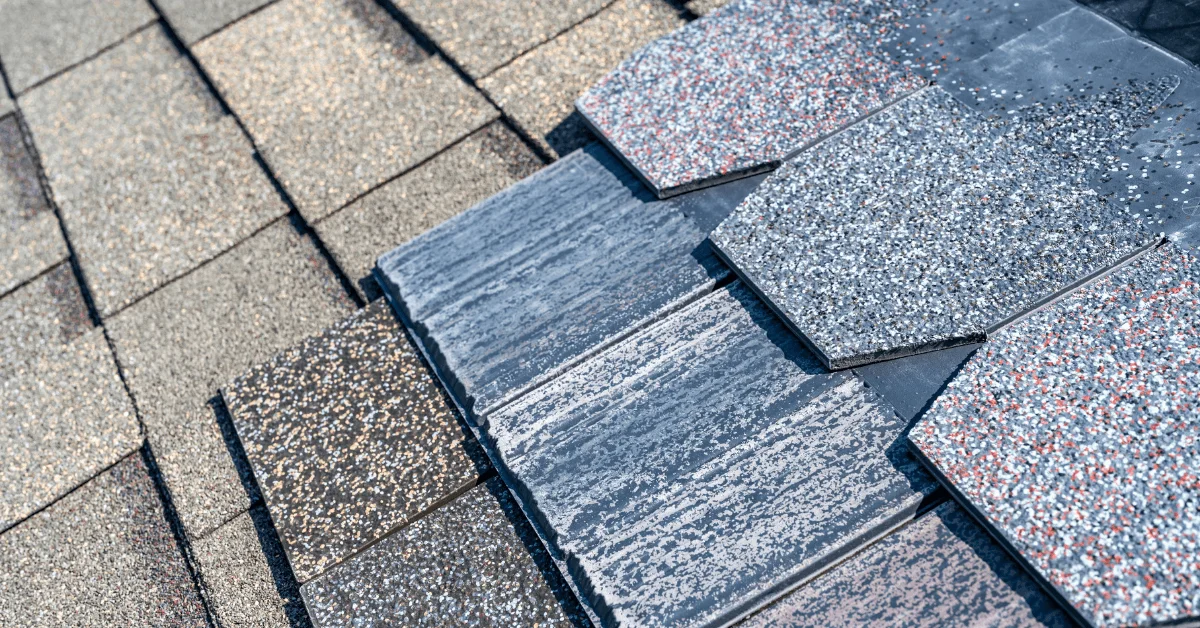
Summer temperatures and direct sunlight can cause roofing materials to heat up dramatically. Over time, UV exposure breaks down shingle granules, leading to cracking, fading, and weakening. High heat can also cause thermal expansion—the expansion and contraction of roofing materials throughout the day. This constant movement can loosen nails, warp shingles, and weaken seals.
Metal roofing handles heat especially well, but asphalt roofs can show aging signs faster in hot climates. Keeping your attic well-ventilated helps reduce heat buildup and extends the life of your roofing system.
FALL: HIGH WINDS AND FALLING DEBRIS
Autumn is known for windier days and increased storm activity, which can loosen shingles, damage flashing, or blow debris onto your roof. Falling leaves can clog gutters, causing water to back up and overflow, potentially damaging fascia boards or leaking under shingles.
Scheduling a fall inspection helps ensure your roof is prepared for winter. Clearing gutters, checking weak spots, and tightening flashing are key steps in preventing cold-weather issues.
WINTER: SNOW, ICE DAMS, AND FREEZE CYCLES
Winter brings some of the toughest conditions for your roof. Heavy snow adds weight that can strain your roofing structure. Melting snow that refreezes near the edges of your roof can form ice dams, forcing water beneath shingles and causing hidden leaks.
The freeze-thaw cycle also causes materials to expand and contract repeatedly. This can widen cracks, loosen shingles, and compromise roofing components. Proper insulation and attic ventilation are crucial for preventing ice dams and reducing winter-related wear.
HOW STORMS IMPACT YOUR ROOF YEAR-ROUND
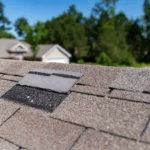
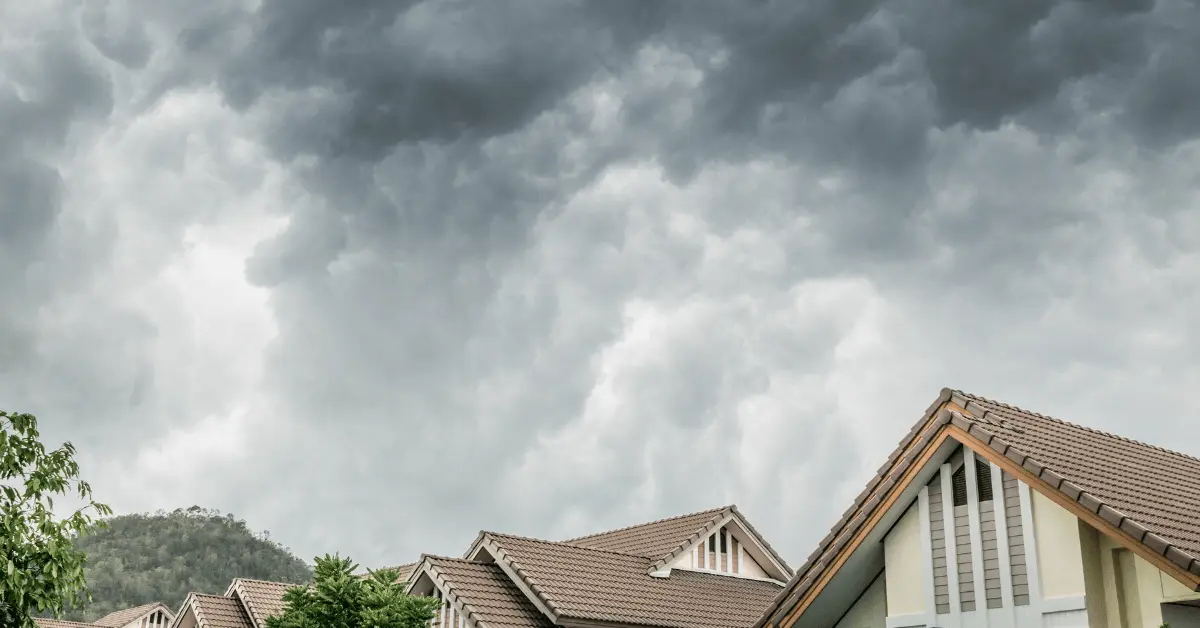
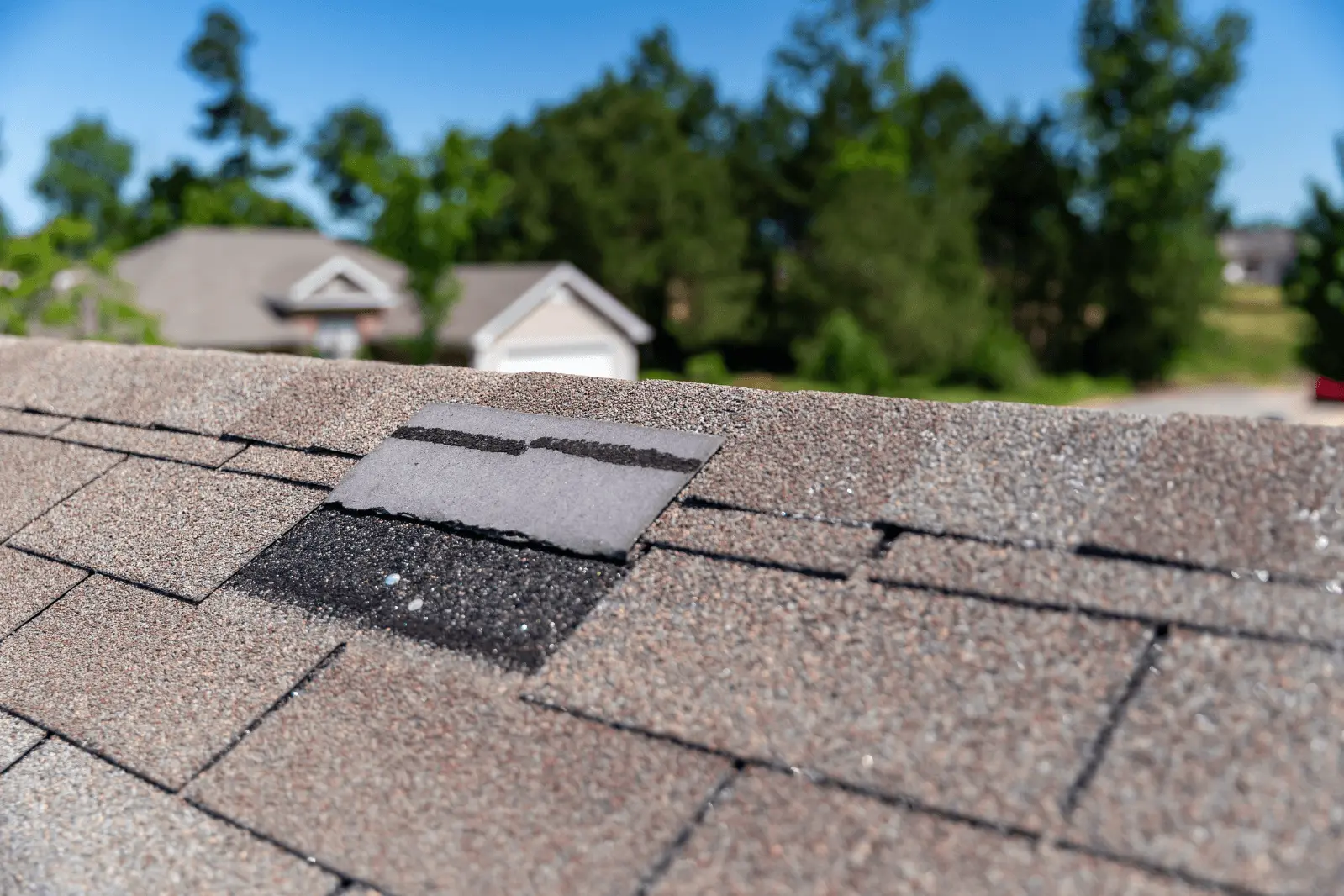
Severe weather—whether thunderstorms, heavy wind, hail, or tornado activity—can inflict sudden and significant damage. Hail can bruise or puncture shingles. Wind can tear shingles off entirely. Large debris can dent or crack roofing materials.
After major storms, a professional inspection is essential. Even minor storm damage can worsen over time if left untreated, leading to leaks or structural problems.
HOW TO PROTECT YOUR ROOF FROM WEATHER DAMAGE
Homeowners can take several proactive steps to minimize weather-related damage:
Schedule routine inspections twice a year
Clear gutters and downspouts regularly
Trim overhanging tree branches
Address minor issues before they worsen
Ensure proper attic ventilation and insulation
Understanding the connection between weather and roof performance empowers you to take better care of your home. With consistent maintenance and attention to seasonal changes, your roof will stay in top shape and continue protecting your family year after year.